At a glance
The context, the business need, and what the solution changes.
Business context
AI & Automation
The need
The main challenge was not adding more educational features. It was preventing those features from turning into more administration for a non-technical teacher.
The platform needed to preserve a natural Grade → Unit → Lesson structure, keep lesson material together and separate the teacher’s need for control from the student’s need for a simple, visual and interactive experience.
What the solution does
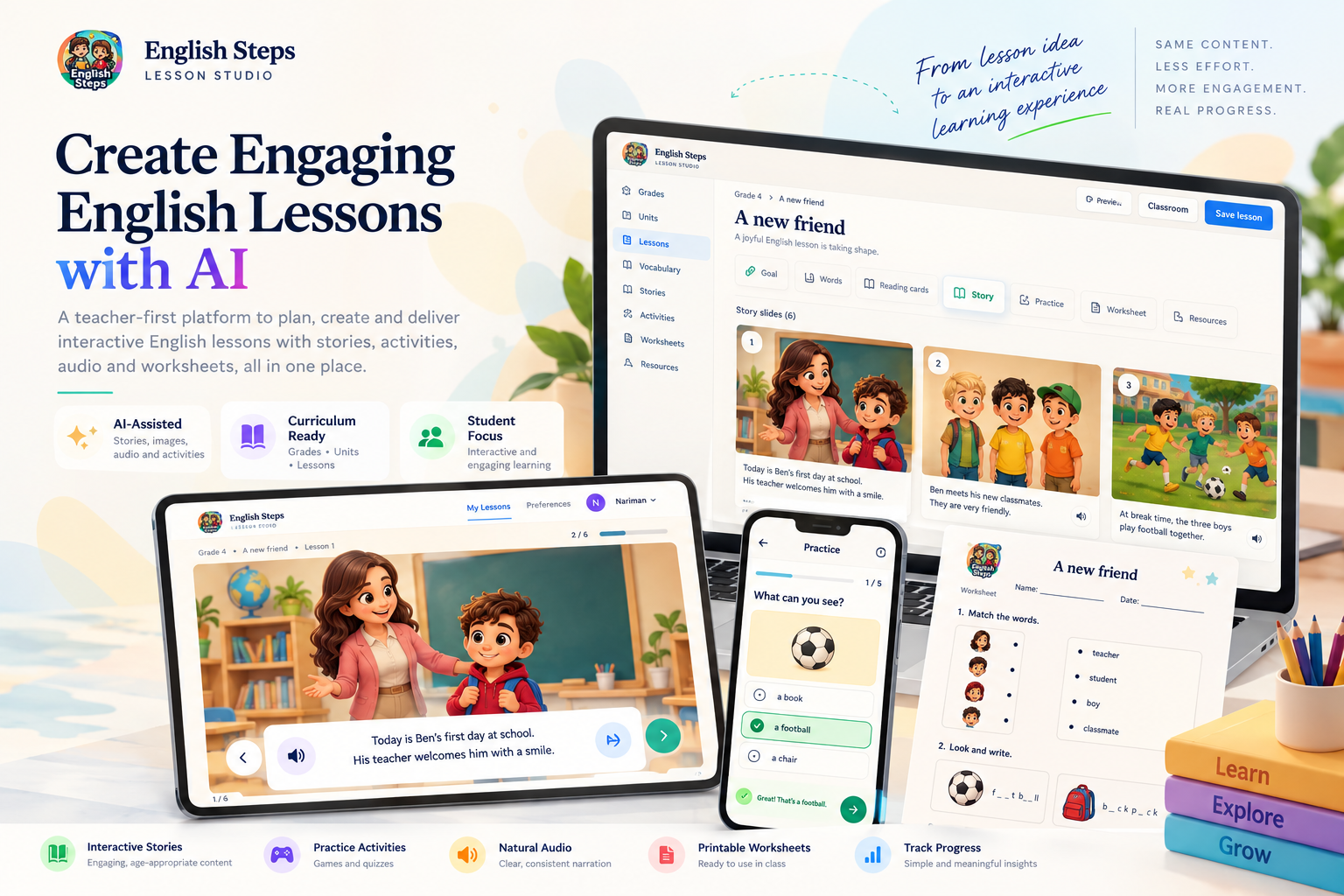
EnglishSteps.kids brings curriculum management, AI-assisted content creation, audio, interactive practice and student-ready lessons into one connected experience. The product is designed around a simple Grade → Unit → Lesson workflow so the teacher can focus on what to teach while the platform handles more of the structure, media and delivery behind the scenes.
01
Why this needed to exist
Preparing a complete English lesson often spreads the teacher’s work across several places: curriculum notes, vocabulary, stories, images, audio, activities and worksheets. The student then needs a different experience from the one the teacher uses to create and organize that material.
EnglishSteps.kids was designed around that gap, with the goal of making the teacher’s workflow simpler while still supporting a richer lesson experience for young learners.
The main challenge was not adding more educational features. It was preventing those features from turning into more administration for a non-technical teacher.
The platform needed to preserve a natural Grade → Unit → Lesson structure, keep lesson material together and separate the teacher’s need for control from the student’s need for a simple, visual and interactive experience.
02
How the solution works
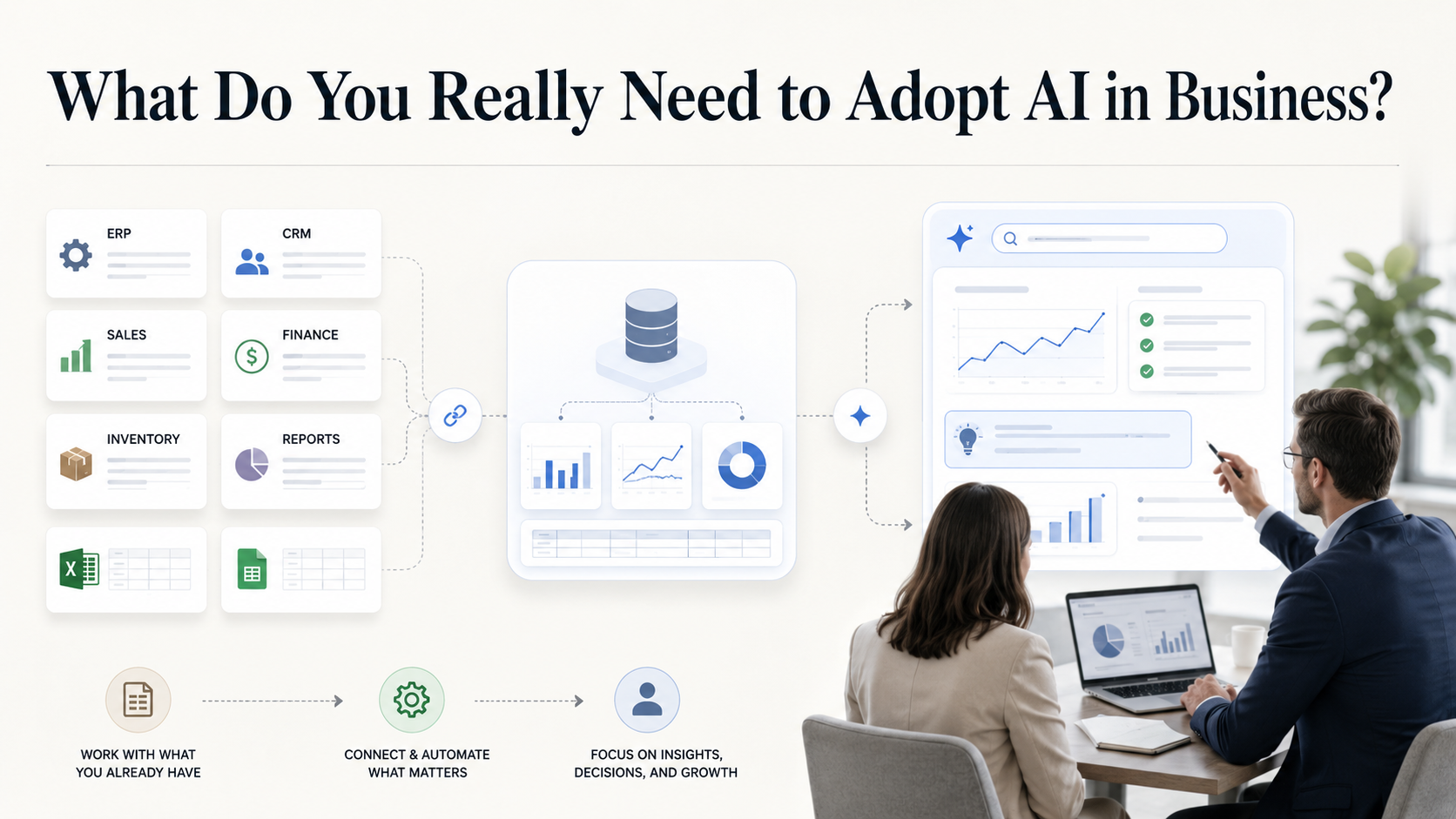
The product was shaped around one principle: more capability behind the platform should create less complexity for the person using it. Technical relationships, content states and AI-assisted generation should remain behind the interface whenever the teacher does not need to manage them directly.
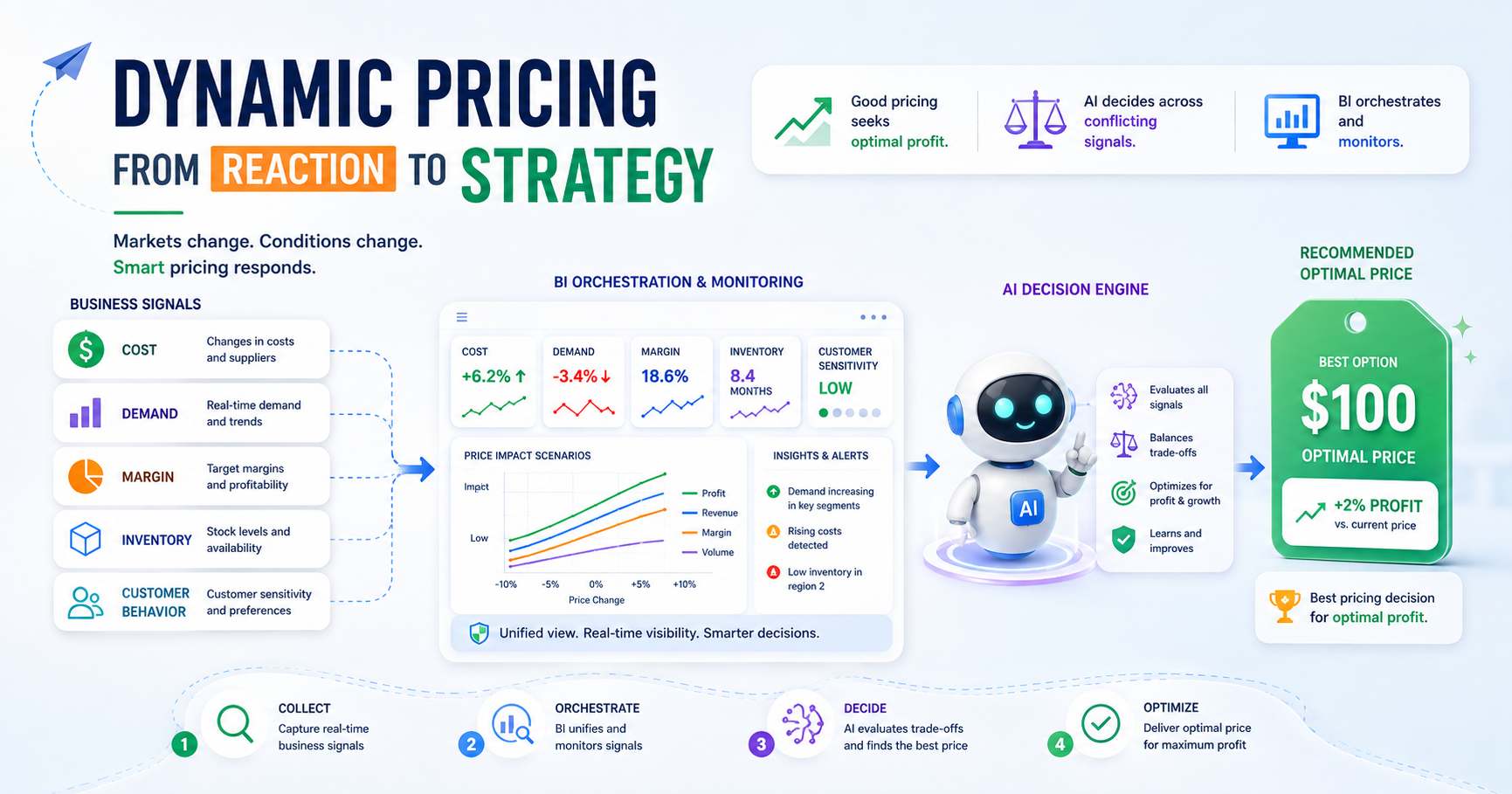
AI was treated as part of the workflow rather than the workflow itself. Generated stories, visuals, audio or learning material still belong inside a teacher-led lesson structure where the teacher can review and decide what reaches the student.
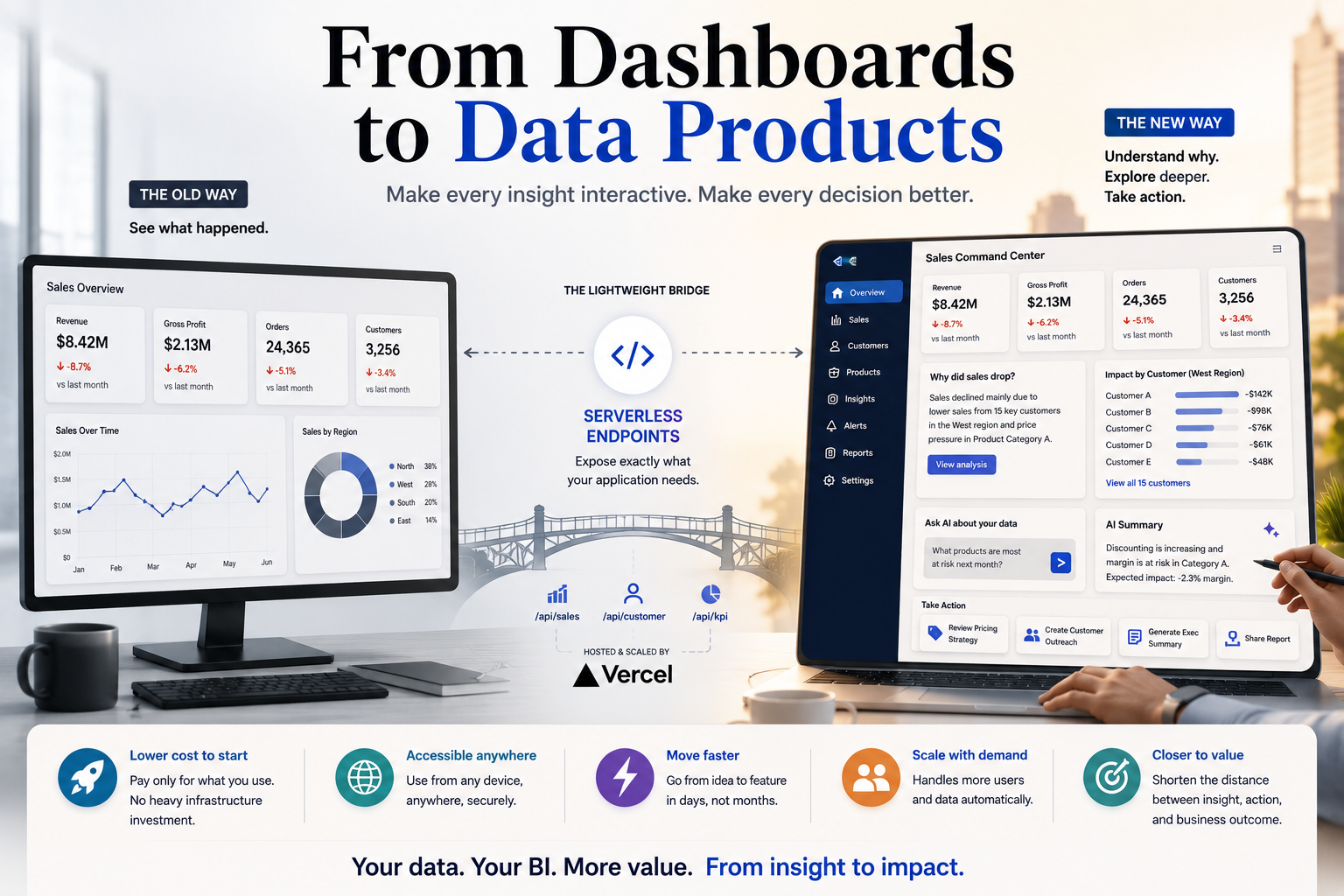
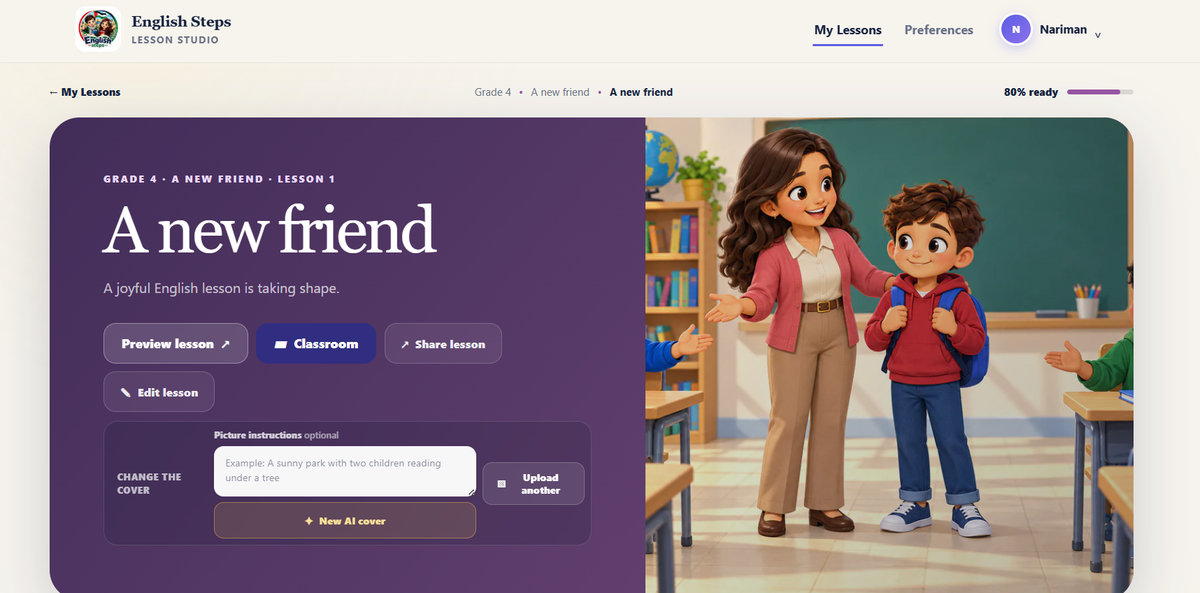
The administration experience follows the curriculum itself: grades contain units, units contain lessons, and each lesson brings vocabulary, stories, practice, worksheets and review into one workspace. AI-assisted workflows support selected content tasks such as creating lesson material, visuals and audio while preserving teacher review.
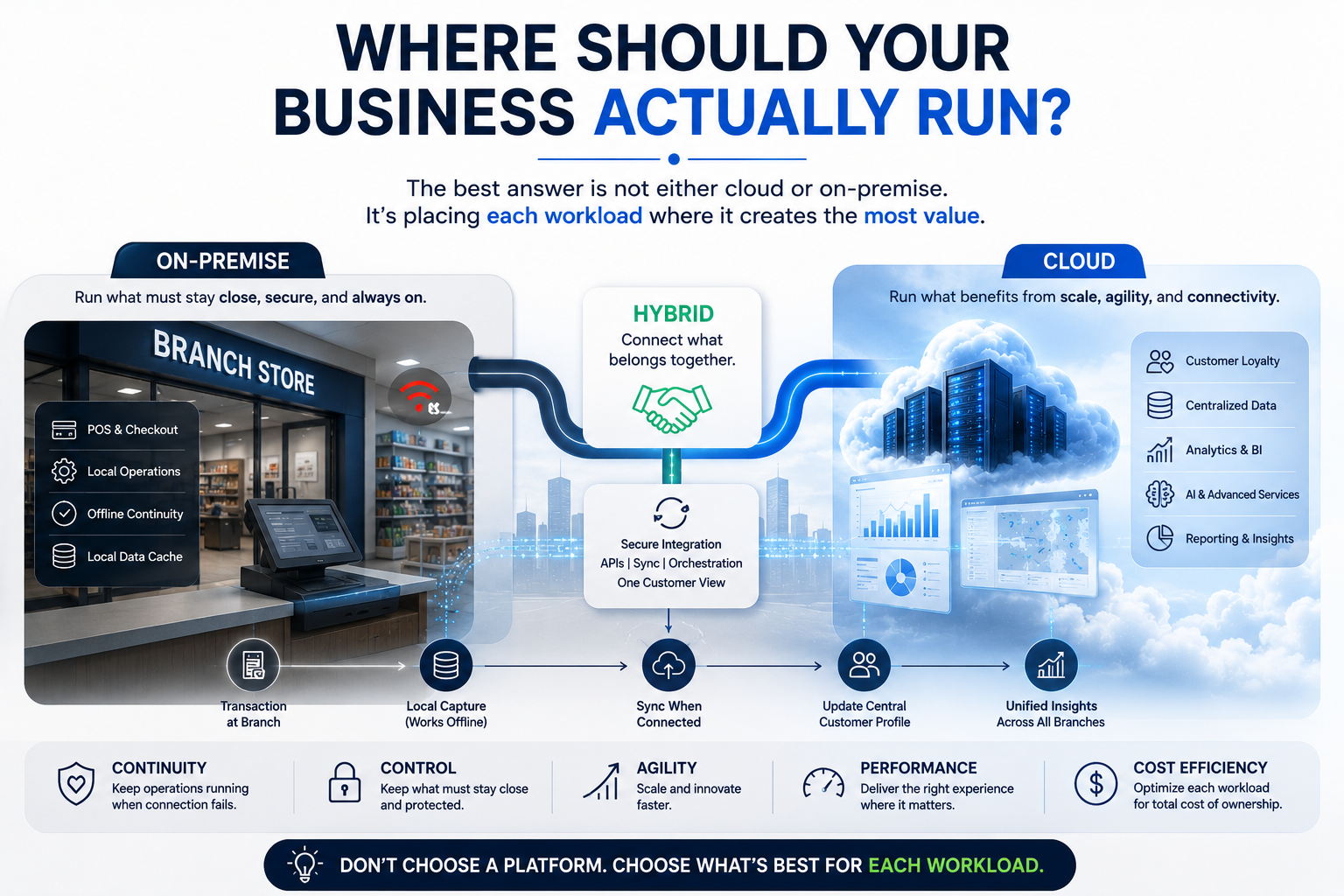
The student experience is intentionally separate, using focused screens, simple navigation, visual content, replayable audio and interactive practice instead of exposing the management structure used to build the lesson. The application is delivered as a modern web platform using Next.js, Supabase and Vercel.
Supporting technologies
- Next.js
- Supabase
- Vercel
- AI Content Generation
- Text-to-Speech
- Interactive Learning
- PDF Generation
03
What changed
The project evidence is the implemented EnglishSteps.kids product and the owner-provided product scope covering curriculum management, teacher and student experiences, AI-assisted content creation, audio, activities, worksheets and printable resources.
The case describes delivered product capabilities and design decisions. It does not claim unverified student adoption, learning gains, classroom results or quantified productivity improvements.
EnglishSteps.kids evolved from a simple lesson portal into a connected environment for creating, organizing and delivering English learning material. The teacher can work through one curriculum structure while the platform carries more of the connection between content, media and presentation.
The practical value is a simpler teacher experience without reducing the richness of the student experience, with AI used where it removes repetitive creation work rather than becoming the center of the product.